Information quality had the strongest influence on trust.
The quality of information provided by the virtual human was a significant positive predictor of trust.
04 / RESEARCH
How human-like qualities, social presence and information shape Gen Z consumers’ trust, attitudes and purchase intentions.

Corporate Communications:
An International Journal
THE RESEARCH
Virtual humans are increasingly used in marketing, retail and customer interactions. The study examined whether anthropomorphism, social presence, information quality and ethnicity shape how British Gen Z consumers respond to autonomous virtual humans.
The research was conducted with Nadia Lonsdale and Gokhan Aydin and published in Corporate Communications: An International Journal.

THE CONCEPTUAL MODEL
METHOD
258Participants were recruited online and completed a Qualtrics survey using a seven-point Likert scale. They were introduced to virtual humans in a retail context and shown a scenario involving a virtual human named Nova.
Data were analysed in SmartPLS. The model assessed anthropomorphism, social presence, information quality, trust, attitudes, purchase intentions and ethnicity.
WHAT THE STUDY FOUND
The quality of information provided by the virtual human was a significant positive predictor of trust.
Feeling a stronger social presence was associated with more positive attitudes towards virtual humans.
Positive attitudes showed the strongest direct path to consumers’ purchase intentions.
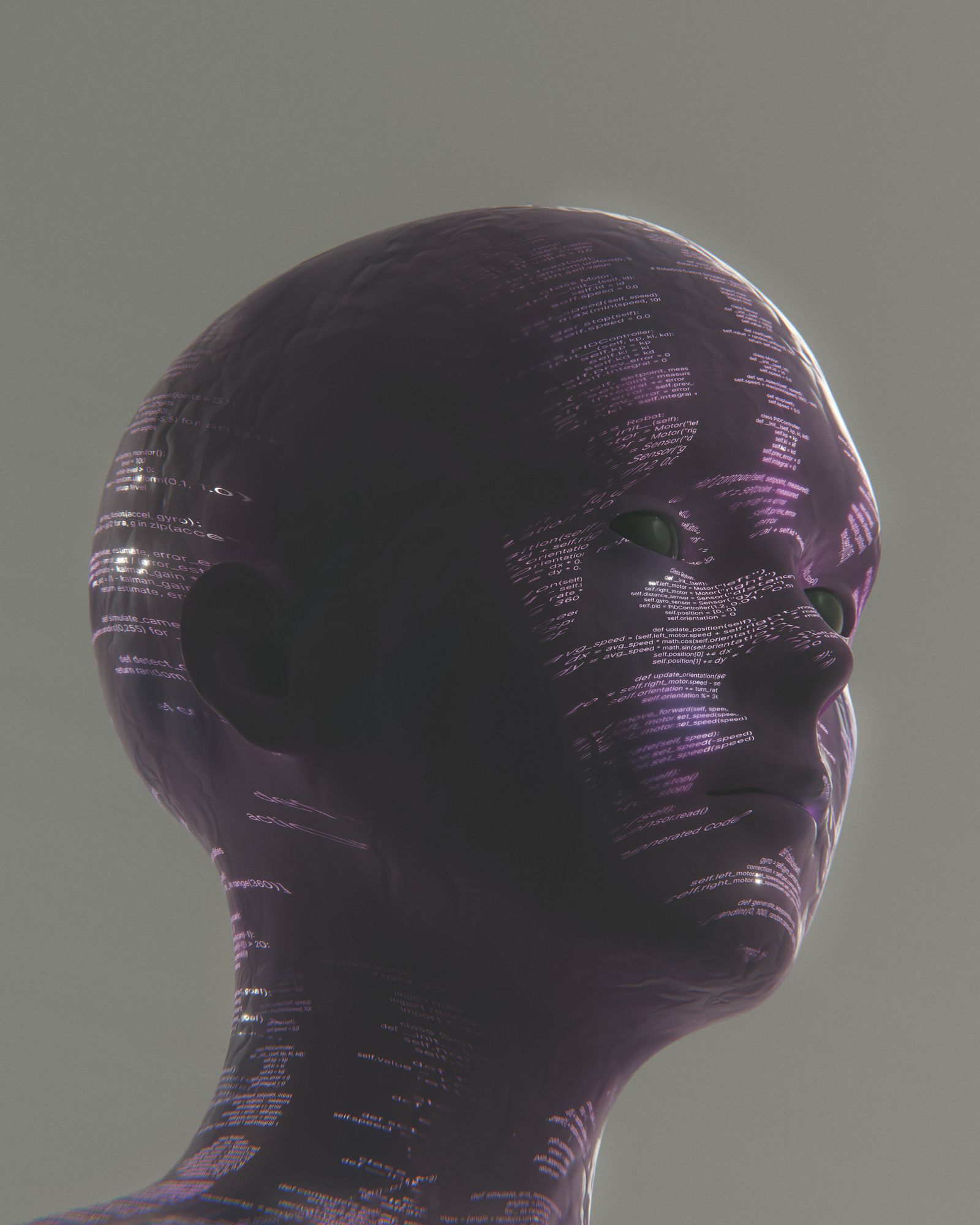
THE SURPRISING RESULT
Anthropomorphism did not have a significant direct effect on trust or attitudes in the tested model. Ethnicity also did not significantly moderate the relationships with purchase intention.
That shifts the emphasis away from appearance alone and towards the quality and social character of the interaction.
THE TAKEAWAY
The findings suggest that brands and designers should look beyond visual realism. Information quality, social presence and the trust and attitudes they help create were more consequential in this study than anthropomorphism alone.
← BACK TO SELECTED WORK